

01
All-on-4 and Full Arch Implants
Fixed full-arch teeth — and FP1 without fake pink gums when the case allows.
01 · FP1
Without the fake pink gums
Natural-looking teeth framed by your own gum tissue. No pink acrylic. Not every jaw qualifies — the consultation and 3D scan settle that.
This is also what we teach other doctors in our Pink & White courses.

02 · Fixed full arch
All-on-4 / All-on-6 with pink acrylic
A fixed bridge on four to six implants. When bone or lip line cannot support FP1, pink acrylic rebuilds the gum line — still fixed, still chewable.
03 · Removable
Denture or partial
Lower up-front cost, comes out at night. We say so when it is the better fit — we will not push implants for the sake of it.
Full arch implants are fixed in place, so there is none of the movement that makes dentures difficult to speak and eat with. Chewing ability returns in full, and because the implants stimulate the jaw, bone loss is slowed rather than accelerated. Where the case allows, we finish with FP1 — natural-looking teeth without artificial pink gums.
Videos
From Dr. Gromov and patients.
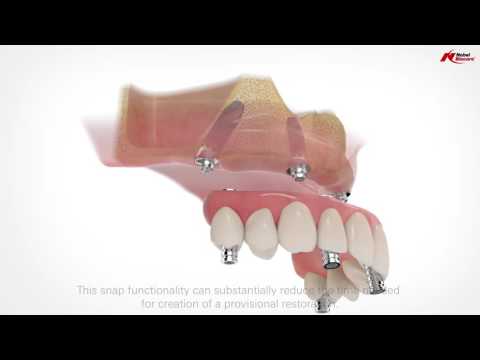
All-on-4® treatment concept overviewYouTube (opens in a new tab)
Permanent and stable
A fixed bridge on implants will not slip or shift the way a denture can when you speak or eat.
Chewing returns
Full chewing ability comes back — including foods that are difficult with a removable denture.
Bone is preserved
Implants stimulate the jawbone, slowing the bone loss and facial change that follow missing teeth.
FP1 when the case allows
Where bone and lip line allow, the finish uses your own gum tissue — no artificial pink acrylic.
All-on-4, All-on-6 and All-on-X
Also called All-on-4, All-on-6 or All-on-X, a full-arch restoration replaces a whole upper or lower set of teeth with a fixed bridge on four to six implants. The result is stable, chewable and designed to look like natural teeth rather than a removable denture.
Traditional dentures that sit on the gum can lose their grip, limit what you eat, and leave the jawbone without stimulation — so bone density and facial support decline over time. Anchoring teeth to implants addresses those problems directly.
How the process works
- Consultation
- Measurements and a conversation about goals, so implant positions and the shape of the replacement teeth are planned together — not guessed.
- 3D planning
- A CBCT scan and digital plan place the implants where bone and bite support them best.
- Same-day teeth when appropriate
- Extraction (if needed), implant placement, and temporary teeth can often happen the same day — so you leave with a fixed smile while healing continues.
- Limited bone options
- When standard implant sites are not enough, extra implants, soft-tissue grafting, or remote anchorage can be part of an All-on-6 / All-on-X plan — decided on the 3D scan.
- Final restoration
- After the bone has fused to the implants, the long-term bridge goes on — FP1 without pink acrylic, or white zirconia, when the case qualifies.
FP1 — your own gums, no pink acrylic
Some patients qualify for FP1: less bone removed, and a thinner set of teeth framed by your own gum — no pink acrylic faking a gum line.
Not every jaw allows it. Bone, lip line, and gum all matter — the consultation and 3D scan decide. It is also what we teach other doctors on our Pink & White courses.
- Your own gum frame instead of artificial pink
- Less bone reduction when anatomy allows
- Looks like teeth, not a denture smile
- Can pair with zirconia bridges for a metal-free white finish
Compared with traditional dentures
Denture adhesives can fail at the wrong moment. Favorite foods get hard to eat. And without roots or implants in the jaw, bone keeps shrinking.
A full-arch implant bridge is fixed to the bone, restores chewing, and helps keep facial structure — which is why most patients who can have it prefer it.
Could FP1 be right for you?
Your 3D scan decides. Here is what we look at.
More likely when…
- Enough bone in the smile zone so we do not need pink acrylic to fill height
- A lip line that does not show a big band of gum needing pink acrylic
- Healthy enough gum tissue to frame the teeth
- You want fixed teeth that look like teeth and gum — not a denture smile
Often a different finish when…
- Severe bone and gum loss — pink acrylic is how we restore that height
- A high lip line that would show a transition pink acrylic is meant to hide
- Bone that needs grafting or remote anchorage before any finish is chosen
- Health or budget points to a well-made removable option instead
Many people told they “need pink gums” still qualify for FP1. Some who want FP1 are better with acrylic or removable. The visit settles it.
Common questions
What is the All-on-4 dental implant procedure?
All-on-4 places a full arch of teeth on four strategically positioned implants. It is a stable, fixed solution for extensive tooth loss or failing teeth, often with provisional teeth the same day.
Am I a suitable candidate for All-on-4 implants?
Many people with significant tooth loss or failing teeth are candidates. Eligibility is assessed at a consultation with examination and 3D imaging — including whether FP1 without fake gums is realistic for your anatomy.
How long does the procedure take?
In many cases extraction, implant placement and immediate provisional teeth can be completed in a single day. Final healing and the definitive bridge take longer; the exact timeline depends on your case.
Are All-on-4 implants removable?
No. They are a fixed, implant-supported bridge designed to feel and function like natural teeth. They do not come out at night the way a conventional denture does.
What is recovery like?
Most patients report manageable discomfort and a short downtime. You receive post-operative instructions for swelling and care during healing.
Before and after
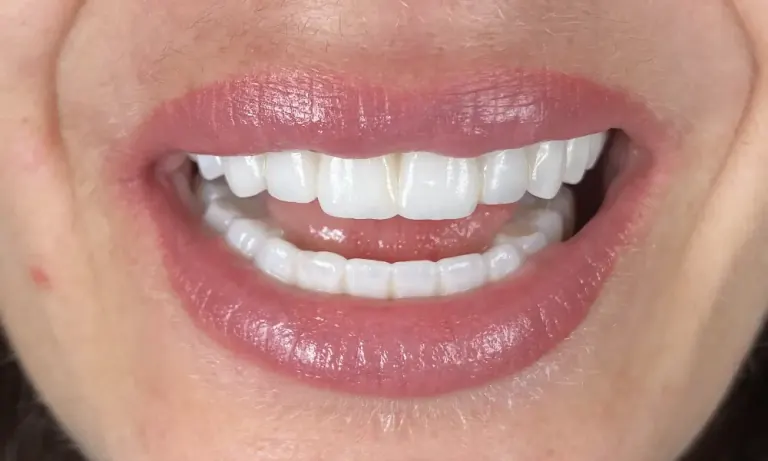 After
Full-mouth zirconia bridges
Very loose and failing teeth throughout the mouth, replaced with implant-supported zirconia bridges.Before: Before treatment: severely loose and failing teeth across the upper and lower arches. After: After treatment: implant-supported zirconia bridges replacing the failing teeth.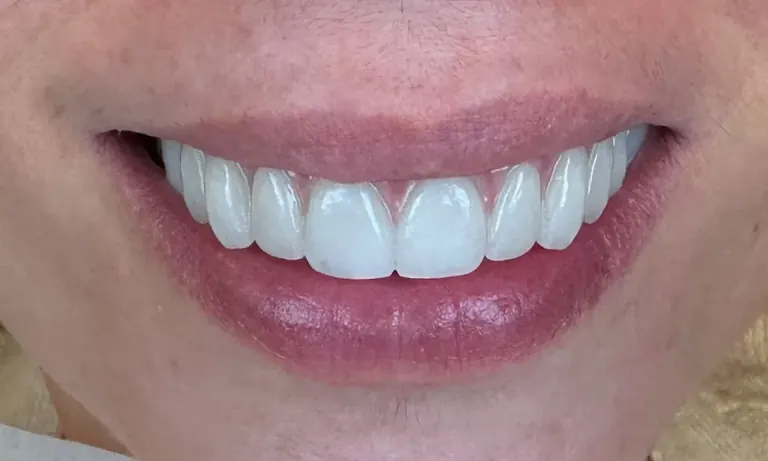 After
Upper All-on-X with zirconia, digital protocol
A full upper arch restored using a digitally planned All-on-X zirconia bridge.Before: Before treatment: a failing upper arch prior to All-on-X treatment. After: After treatment: a completed upper All-on-X zirconia restoration.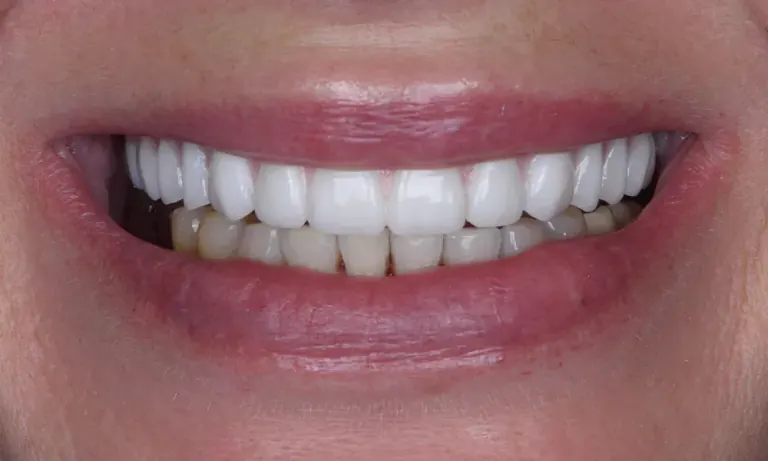 After
Upper arch All-on-X
A full upper arch replaced with a fixed implant-supported restoration.Before: Before treatment: an upper arch with failing teeth. After: After treatment: a fixed full-arch implant restoration in the upper jaw.
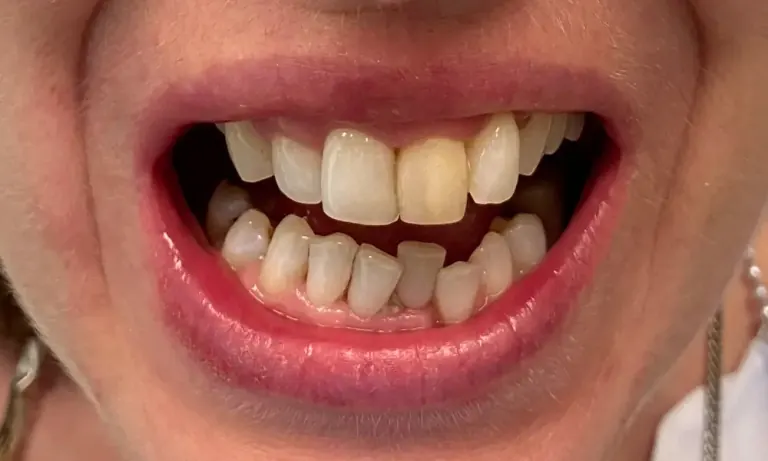
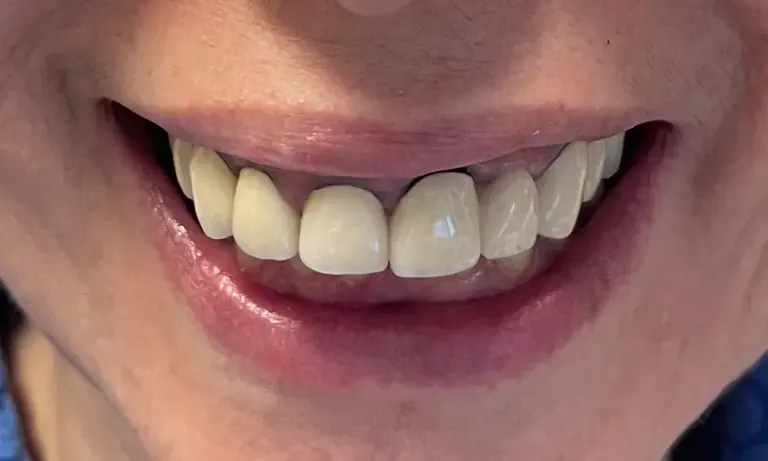
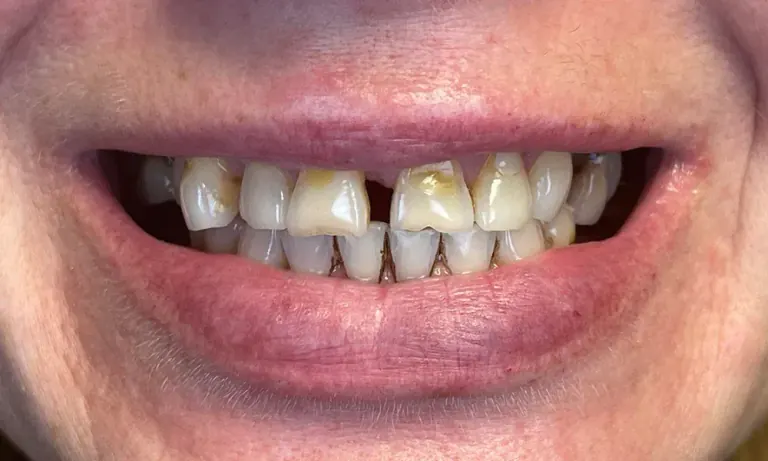
Photographs are of actual ImplantWIDE patients and are published with their consent. Individual results vary; the outcome shown is not a guarantee of the result any other patient will achieve. Treatment suitability is determined by clinical examination.
Want to know if this fits your case?
Call or book a consultation. Dr. Gromov will tell you what you need — and when the answer is less than you expected.
Call 630-912-2700Mon–Fri · 9am – 5pm