


03
Zirconia Implants
A metal-free, naturally white alternative to titanium.
Zirconia is bioinert — it will not corrode, migrate, or trigger a chemical reaction — and it resists bacterial adhesion better than titanium. Its natural white color makes it a good choice where an implant sits near the front of the mouth.
Videos
From Dr. Gromov and patients.

Zirconia vs titanium implants — which is best for you?YouTube (opens in a new tab) 
Single white zirconia implant and zirconia crownYouTube (opens in a new tab)
Metal-free ceramic
Zirconia is zirconium dioxide (ZrO₂) — a high-strength ceramic, not a metal, offered as the non-metal alternative to titanium.
Bioinert
It will not corrode, migrate to other sites in the body, or trigger chemical reactions the way some materials can.
Resists bacterial adhesion
Zirconia inhibits bacterial adhesion better than titanium, which makes it especially suitable for abutments and soft-tissue interfaces.
Naturally white
Its white color helps where an implant sits near the front of the mouth and grey show-through would show.
What zirconia implants are
Zirconia is bioinert: it will not trigger chemical reactions, migrate elsewhere in the body, or corrode. That is why it is the established metal-free alternative to titanium.
Chemically it is zirconium dioxide (ZrO₂) — a ceramic, not a metal — with high strength and good biocompatibility.
Where zirconia fits in a full-arch plan
Zirconia is also used for implant-supported bridges and full-arch restorations when a white, metal-free finish is the right choice. Single implant or bridge — bone, bite, and the planned restoration decide at consultation.
Zirconia compared with titanium
Both can fuse with bone and last. The differences patients care about most are color, how bacteria behave at the gum line, and whether you want metal-free.
| Comparison | Zirconia | Titanium |
|---|---|---|
| Material | Ceramic (zirconium dioxide) — metal-free | Metal alloy — the long-established standard |
| Bacterial adhesion | Resists bacteria better — often preferred for abutments | Fine when planned well; less ideal at the gum line |
| Gum attachment | Similar when the case is planned well | Similar when the case is planned well |
| Color in the smile line | Naturally white — less grey show-through | Can look grey through thin gum tissue |
| Often chosen when…Your site, bite, and restoration decide — not a ranking. | You want metal-free, thin gum, or front-tooth looks | A routine site with a long clinical track record |
Common questions
Is zirconia good for implants?
Yes for many cases. It is bioinert — it will not corrode, migrate, or trigger chemical reactions — and its naturally white color is a strong aesthetic advantage.
Is zirconia better than titanium?
Zirconia resists bacterial adhesion better and is often preferred for abutments. Soft-tissue attachment is similar for both. Which fits you depends on the site, the restoration, and your preferences.
Is zirconia a metal?
No. Zirconia is a ceramic (zirconium dioxide). It is the metal-free option people usually mean when they ask to avoid titanium.
Before and after
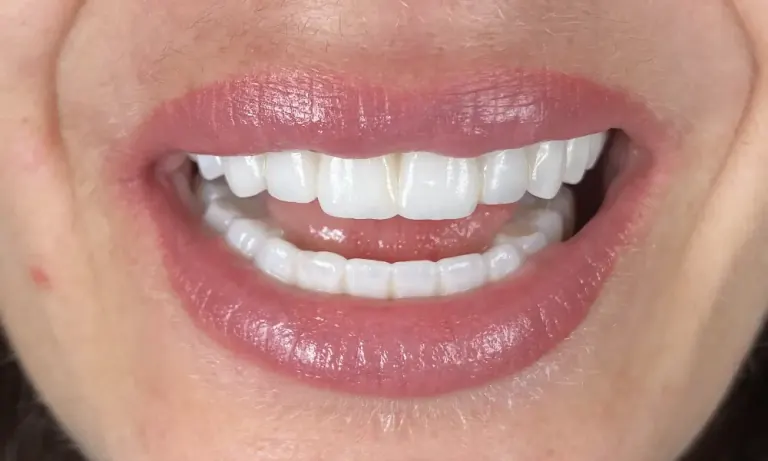 After
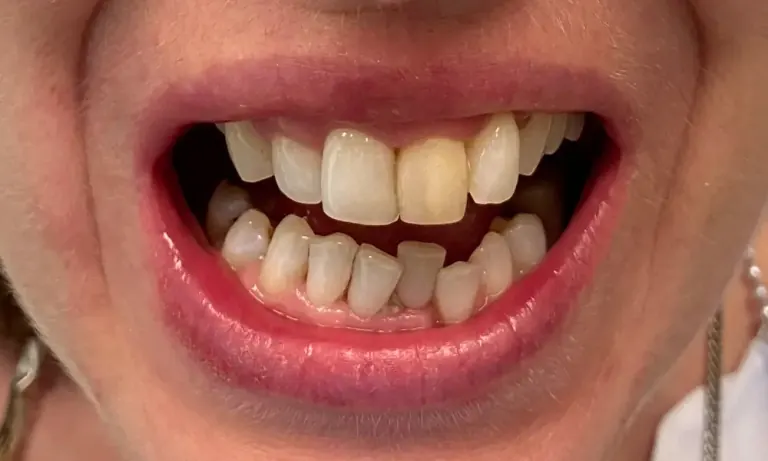
Full-mouth zirconia bridges
Very loose and failing teeth throughout the mouth, replaced with implant-supported zirconia bridges.Before: Before treatment: severely loose and failing teeth across the upper and lower arches. After: After treatment: implant-supported zirconia bridges replacing the failing teeth.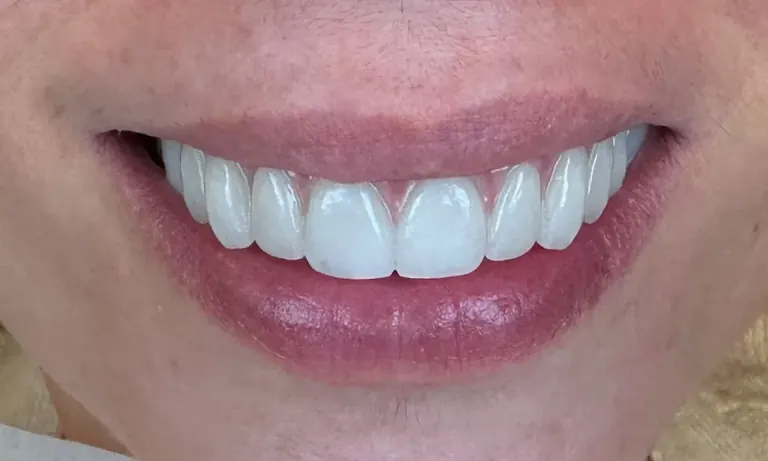 After
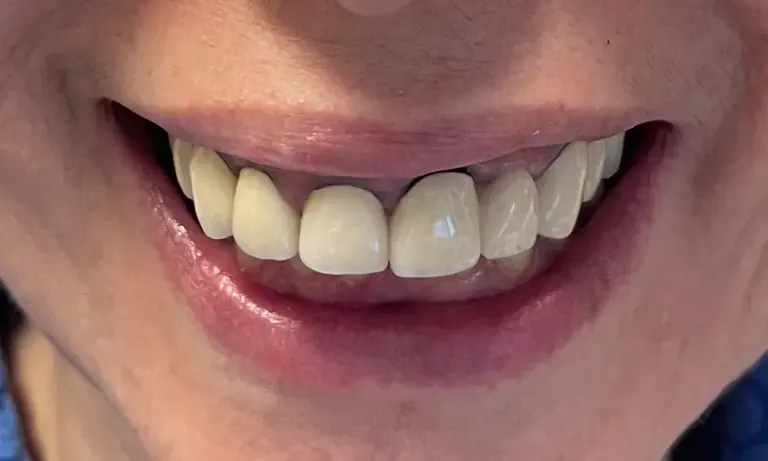
Upper All-on-X with zirconia, digital protocol
A full upper arch restored using a digitally planned All-on-X zirconia bridge.Before: Before treatment: a failing upper arch prior to All-on-X treatment. After: After treatment: a completed upper All-on-X zirconia restoration.
Photographs are of actual ImplantWIDE patients and are published with their consent. Individual results vary; the outcome shown is not a guarantee of the result any other patient will achieve. Treatment suitability is determined by clinical examination.
Want to know if this fits your case?
Call or book a consultation. Dr. Gromov will tell you what you need — and when the answer is less than you expected.
Call 630-912-2700Mon–Fri · 9am – 5pm