


05
Periodontal Care
Specialist treatment for gum disease, from early diagnosis through surgery.
Periodontal disease is the leading cause of adult tooth loss and is usually painless until it is advanced. Assessment, treatment and long-term maintenance are handled by a specialist rather than referred out.
Videos
From Dr. Gromov and patients.

What is a periodontist?YouTube (opens in a new tab) 
Barbara — immediate dental implant testimonialYouTube (opens in a new tab)
Diagnosis and assessment
Periodontal examinations find disease early — before pain arrives and while teeth can still be saved.
Non-surgical treatment
Scaling and root planing, and localised antibiotic therapy when indicated, clean below the gum line so gums can reattach.
Surgical care when needed
Advanced cases may need pocket reduction, gum or bone grafts, or laser-assisted therapy.
Implants and soft tissue
Periodontists also place implants and perform cosmetic soft-tissue procedures when they serve the same oral-health goal.
What a periodontist does
If you have had gum issues, thought about an implant, or lost bone around your teeth, a periodontist is the specialist for that work. Periodontists diagnose and treat periodontal disease, place dental implants, and manage the soft tissue that frames a healthy smile.
Care ranges from examinations and non-surgical deep cleaning to surgery such as gum and bone grafts, plus education on the hygiene that keeps results stable.
Common treatments
- Scaling and root planing
- Deep cleaning above and below the gum line to remove plaque and tartar and help gums reattach to the teeth.
- Pocket reduction
- When gum disease has created deep pockets that harbor bacteria, surgery can reduce those spaces so they are easier to keep clean.
- Oral surgery and grafting
- Severe disease may need surgery beneath the gums; gum grafts replace lost soft tissue.
- Laser gum treatment
- When appropriate, laser therapy treats diseased pockets with less cutting than conventional flap surgery.
Signs of periodontal disease
Gum disease starts with bacteria on and beneath the gums. Plaque in pockets leads to irritation, recession and, in advanced cases, bone loss. Even mild gingivitis is worth treating early.
- Persistent bad breath
- Tender or bleeding gums
- Inflamed or irritated gum tissue
- Loose teeth or tooth loss
- Changes in your bite
Common questions
When should I see a periodontist rather than a general dentist?
When gums bleed, recede or stay inflamed; when teeth are loose; when bone loss shows on x-rays; or when implants are being planned. ImplantWIDE handles that specialist care directly rather than referring it out.
Is periodontal disease painful?
Often not until it is advanced — which is why it is missed. Bleeding, bad breath and recession are earlier signals worth checking even when there is little pain.
Before and after
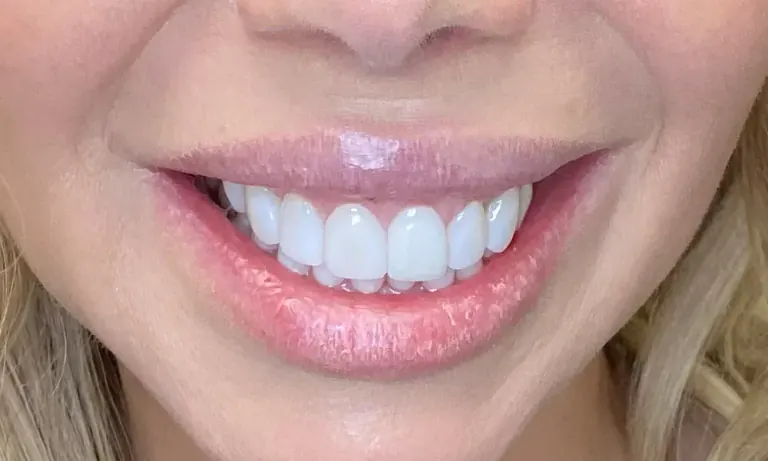 After
AfterGummy smile recontouring and porcelain veneers
Excess gum tissue recontoured to reveal more of the tooth, finished with porcelain veneers.Before: Before treatment: a gummy smile with short-appearing teeth. After: After treatment: a recontoured gum line with porcelain veneers.
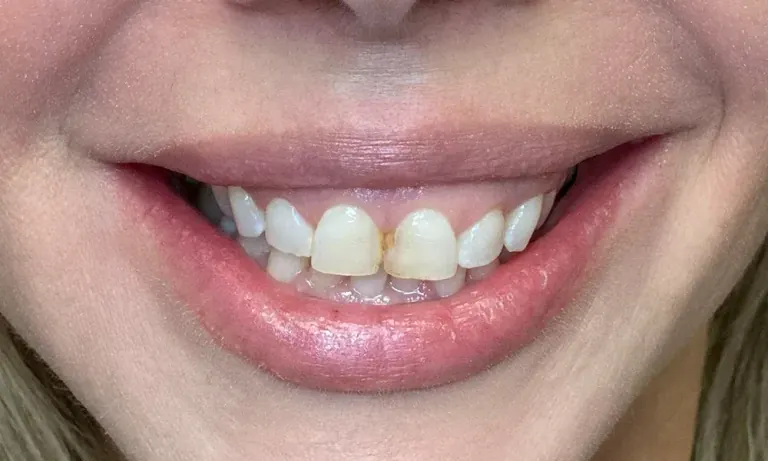
Photographs are of actual ImplantWIDE patients and are published with their consent. Individual results vary; the outcome shown is not a guarantee of the result any other patient will achieve. Treatment suitability is determined by clinical examination.
Want to know if this fits your case?
Call or book a consultation. Dr. Gromov will tell you what you need — and when the answer is less than you expected.
Call 630-912-2700Mon–Fri · 9am – 5pm